Birds
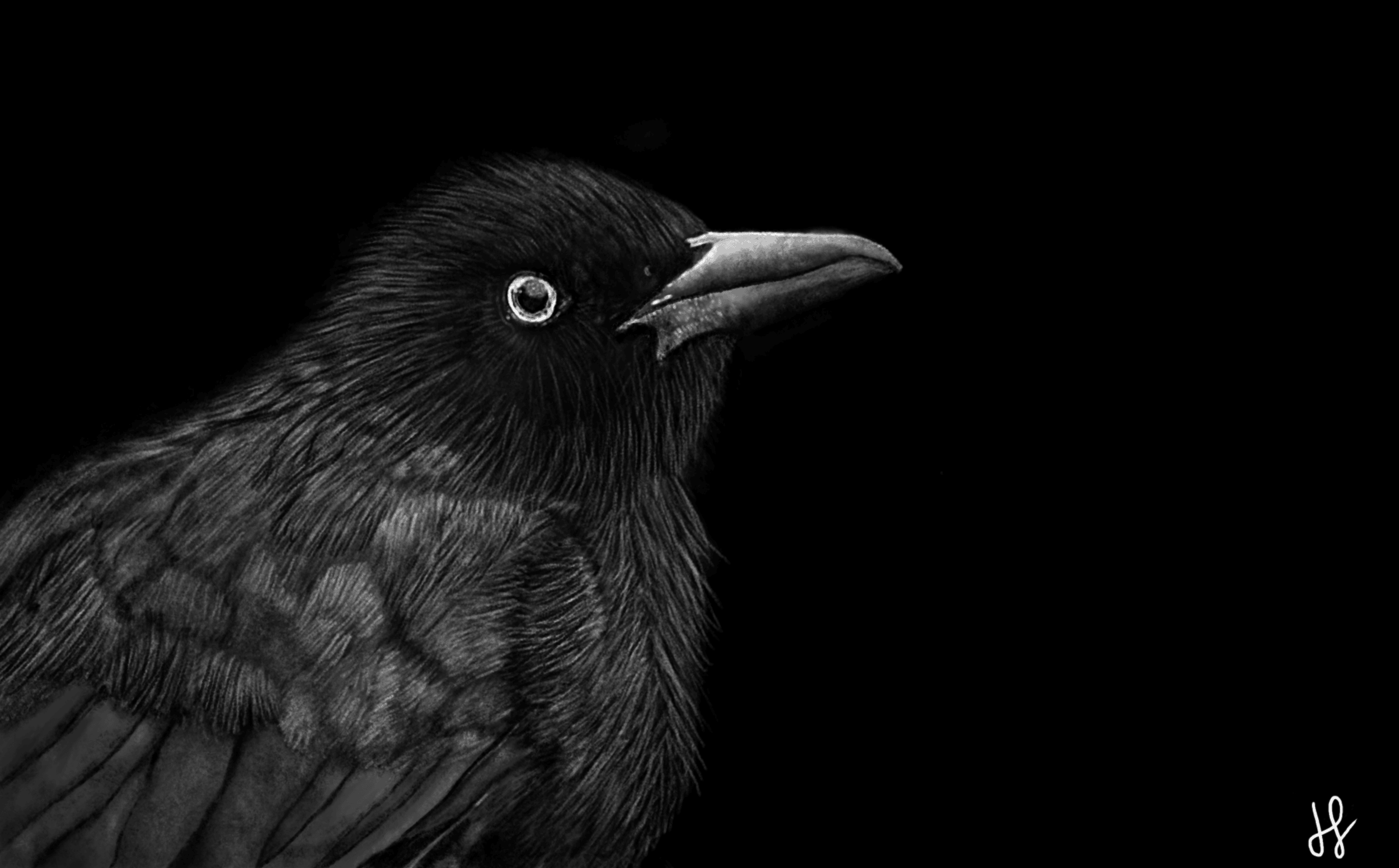
Birds are magnificent in too many ways to count. I was often jealous of their freedom but it wasn’t long before I realized the grass isn’t always greener. Their lives are delicate and underappreciated. From the Rock Pigeon to the Bald Eagle, each life of a bird should be respected and appreciated.
Masquerade
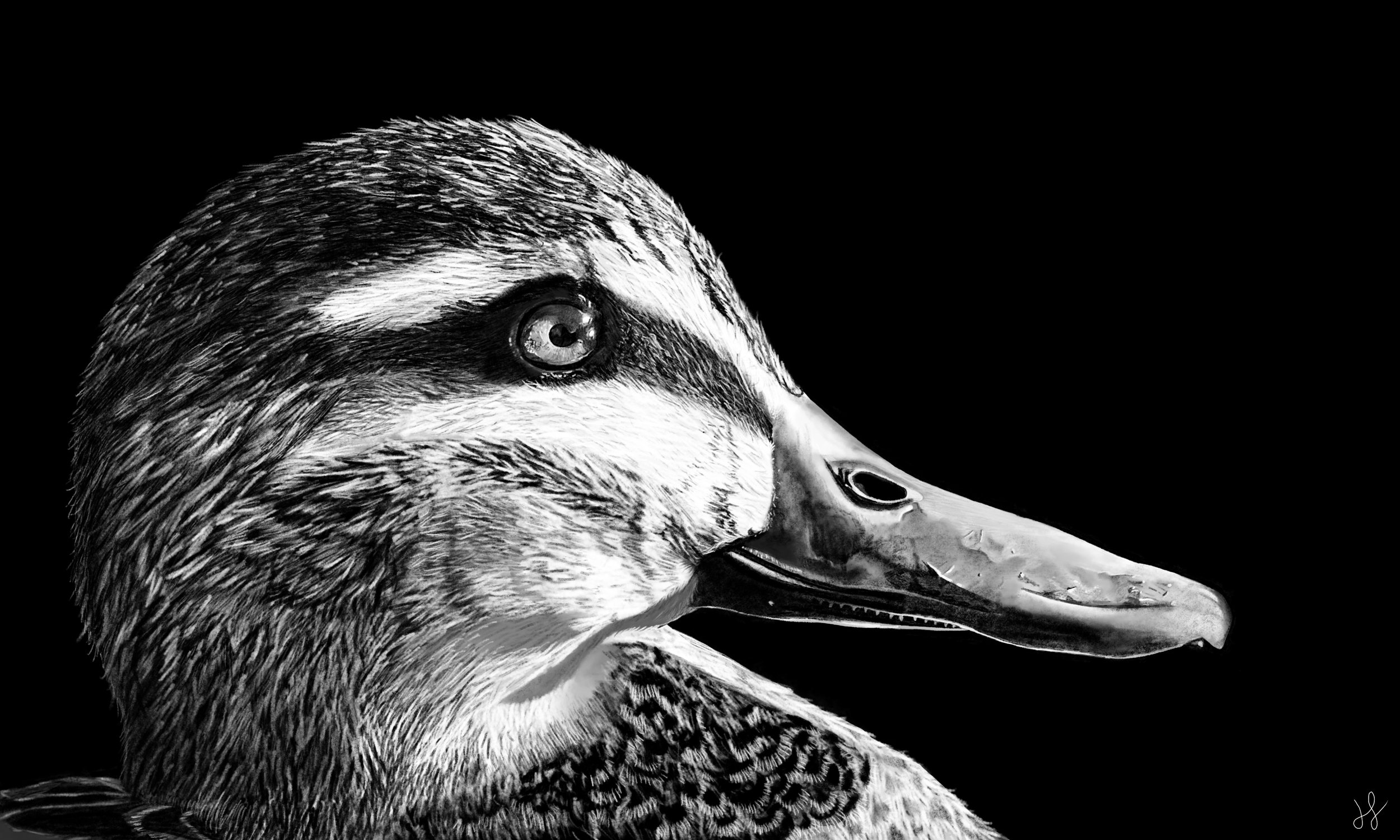
Ducks are easy to overlook. There’s one on every park pond and nobody thinks twice about them. I think they deserve a lot more credit than they get.
It’s called a black duck, but the only black on it is the stripe running through its face. The rest of the bird is brown, and every feather is edged in buff. Its scientific name, superciliosa, means “eyebrowed,” after the pale stripe over the eye.
Ducklings imprint, which means they learn to recognize and follow their mother almost immediately. Researchers at Oxford found that during imprinting, day-old ducklings picked up the abstract ideas of “same” and “different” without any training. Before that, the ability had only been shown in animals like apes, crows and parrots.
They look out for each other as adults too. In one study, mallards, a close relative, were filmed sleeping in a row. The ducks on the ends slept with half their brain awake and the open eye facing away from the group, while the ducks in the middle could close both eyes. The birds on the outside keep watch so the rest can sleep.
The Piece
Title: Masquerade
Series: Birds of My Mind, No. 3 of 9
Medium: Digital charcoal
Year: 2025
Artist note: This drawing was started during a flight home from Australia and I completely forgot after I landed. Six months later I find myself with an art block, scrolling with dis-inspiration I came across more ducks from my photo gallery. As I decide to work on some short sketches, I open Pro Create to find this waiting for me. I was happy to find it again.
Lost the Plot
Most people see a hummingbird for half a second and then it’s gone. It’s easy to forget how much is going on inside that tiny body.
In flight, a hummingbird’s heart can beat up to 1,260 times a minute, and even at rest it runs about 250. At night, many save energy by going into torpor. Their heart rate can drop to as few as 50 beats a minute, and their body temperature falls from about 106°F to as low as 70°F. They basically power down until morning.
The pigment in a hummingbird feather is black. If you crushed one into tiny pieces, all you’d see is black dust. The color comes from structure. Inside the feathers are tiny pancake-shaped packets of melanin full of air bubbles, and as many as 100 million of them fit on a single feather. The way light bounces through those layers is what makes a hummingbird flash.
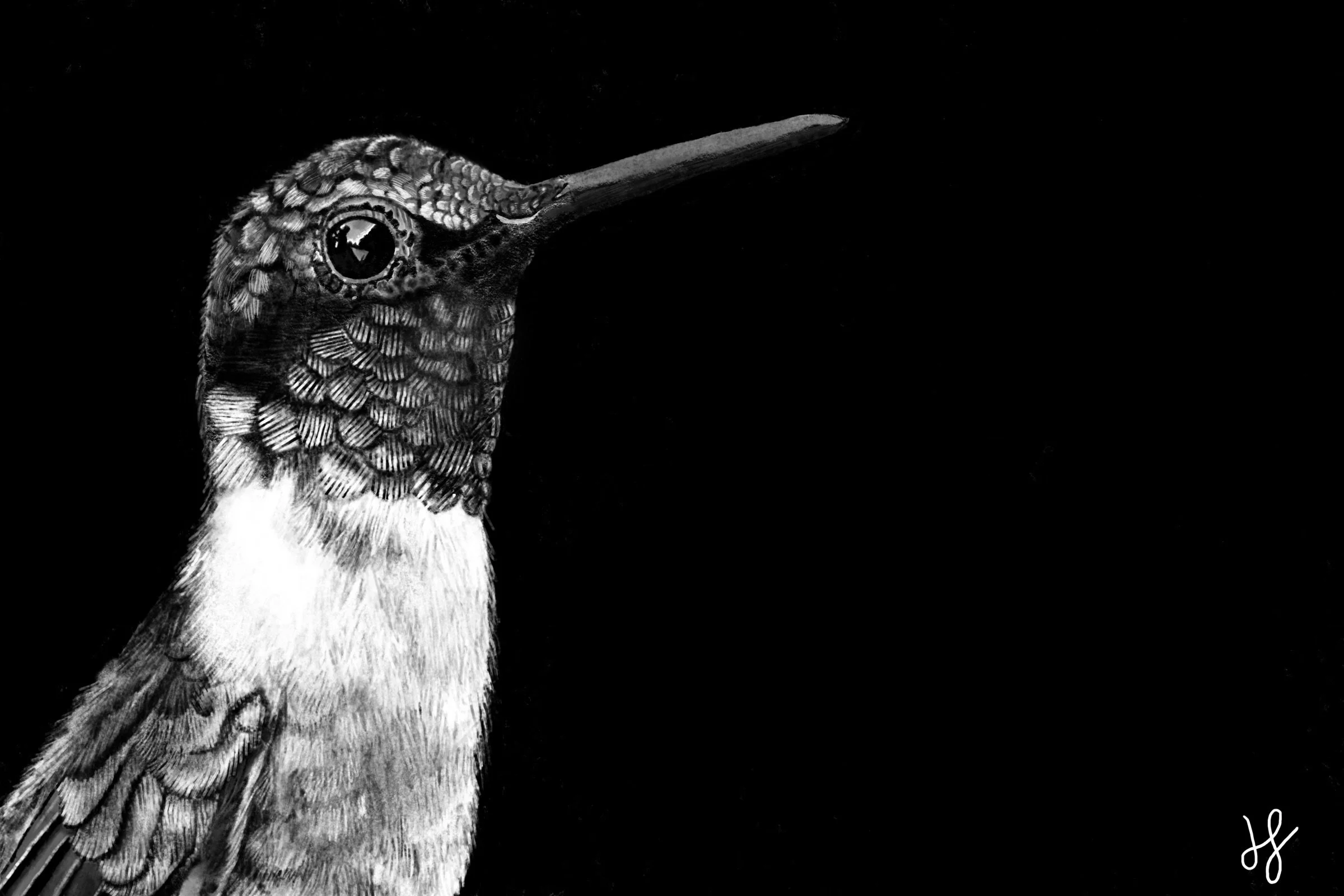
The black-chinned shows this better than almost any bird I know. The male’s throat looks matte black from most angles, but catch it in the right light and a thin band of purple flashes along the bottom edge. Then he turns his head, and it’s gone again.
They’re also sharper than they look. In a study of wild rufous hummingbirds, the birds tracked eight flowers at once. They remembered which ones they had emptied and how long each took to refill, and they timed their return visits to match. That kind of memory for where and when things happened was often thought to be only human.
The Piece
Title: Lost The Plot
Series: Birds of My Mind, No. 2 of 9
Medium: Digital charcoal
Year: 2024
Artist note: The title of this piece refers to one of my favorite albums, “Good News for People Who Love Bad News” by Modest Mouse. Something as simple as a hummingbird tends to be forgotten in today society and I hope that this project will change the way people see our birds. The tricky patterns of the feathers really forced me to expand my knowledge of brush strokes.
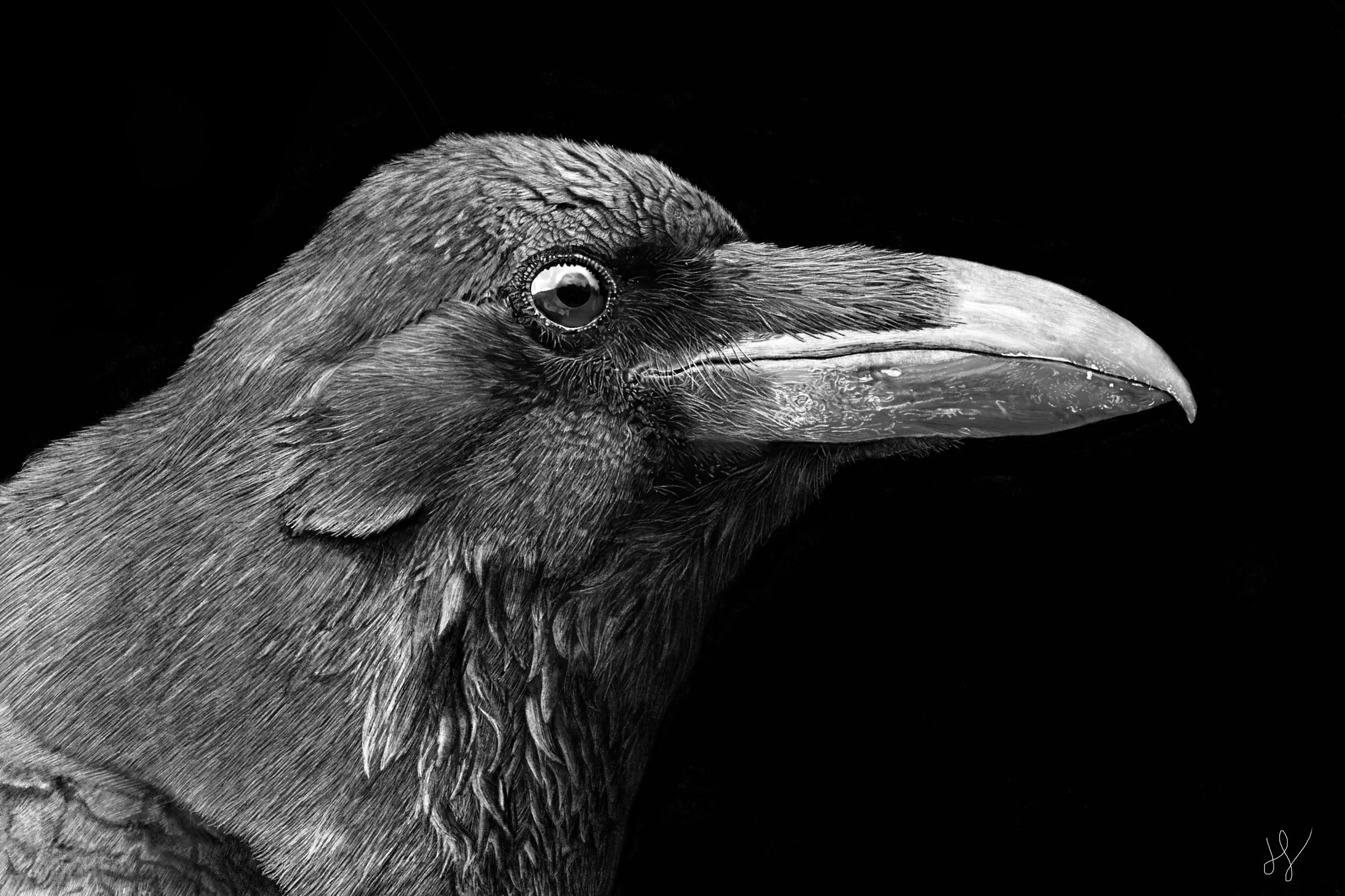
The Raven
When most people see a raven, they think of a dark omen. I’ve worked hands-on with birds for years, and I think ravens are one of the most emotionally capable animals out there.
Ravens remember the relationships they’ve had. In a University of Vienna study, ravens still recognized old flock-mates after three years apart, and they remembered which ones had been friends. The same team found that after a fight, ravens go to a friend for comfort, and the rougher the fight, the more likely a friend comes over on their own. Their conclusion was that ravens may be sensitive to how others feel.
Loki the Raven is a good example of what that looks like with people. He came to Coda Falconry in West London in 2014 after his owner gave him up. He was aggressive and didn’t trust anyone. His handler, Elliot Manarin, stuck with him, and over time Loki came to trust him. You don’t get that kind of turnaround from an animal that isn’t capable of a real bond. I grew up watching this bird online and fell in love with finding them in nature.
They’re also endlessly curious, and they think ahead. In one study, ravens passed on a treat and picked a tool instead, because that tool would get them something better 17 hours later. That’s my favorite thing about them.
The Piece
Title: The Raven
Series: Birds of My Mind, No. 5 of 9
Medium: Digital charcoal
Year: 2024
Artist note: This piece was one of the hardest ones I have done. It challenged me to take a different perspective on feathers and layering. Although the eyes were my main focal point, the strength of the beak highlights was something I had to redo quite a few times to get correct. I learned from this piece the importance of understanding where the light is coming from to ensure the feathers are not improperly shaded.
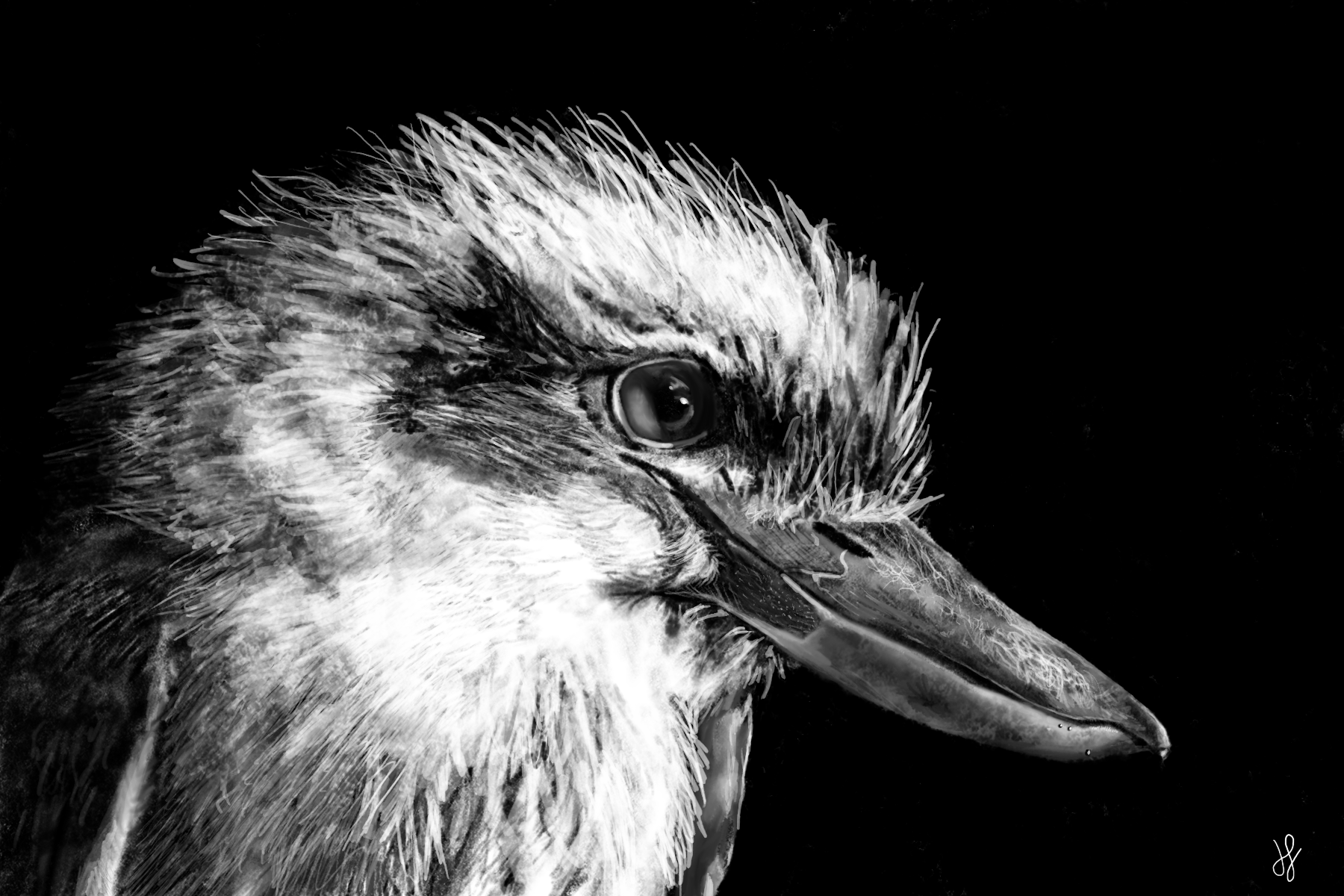
Laughing Jackass
A kingfisher is often pictured as a small, bright blue bird diving into a river after a fish. That’s only a small part of the family. There are about 118 kingfisher species in the world, and more than half of them aren’t fish specialists. None of the tree kingfishers, the branch the kookaburra belongs to, specialize in fish, and plenty of kingfishers live nowhere near water.
The laughing kookaburra is the giant of the family. It’s the largest kingfisher in the world. It hunts from a high perch, watching the ground below for smaller animals.
What I love most is how they operate with humans. They are very welcoming and will fly right up to you to steal a few snags off your grill. Sometimes they will build lifelong bonds and will be sure to wake you each morning with a fluffy set of feathers for you to chat with.
That famous laugh isn’t the bird being funny. It’s a territorial call, and the family usually sings it together. You hear it most at dawn and dusk, which is how it got the nickname “bushman’s clock.”
I have a real love for Australia and its wildlife. I don’t know where it began but the focus on animal conservation and wildlife preservation is inspiring. Australian wildlife led to the trip I took for not only engaging to my wife but also our honeymoon. No other place has animals like these, and to me, the kookaburra’s laugh is the sound of the whole country. It made sense for Birds of My Mind to start here.
The Piece
Title: Laughing Jackass
Series: Birds of My Mind, No. 1 of 9
Medium: Digital charcoal
Year: 2024
Artist note: I took lessons from my uncle to design and plan this piece. I learned how to create the illusion of great detail using light and shadow. It was a creative, conceptual piece to raise my understanding of what the animal really looks like beyond the feathers.
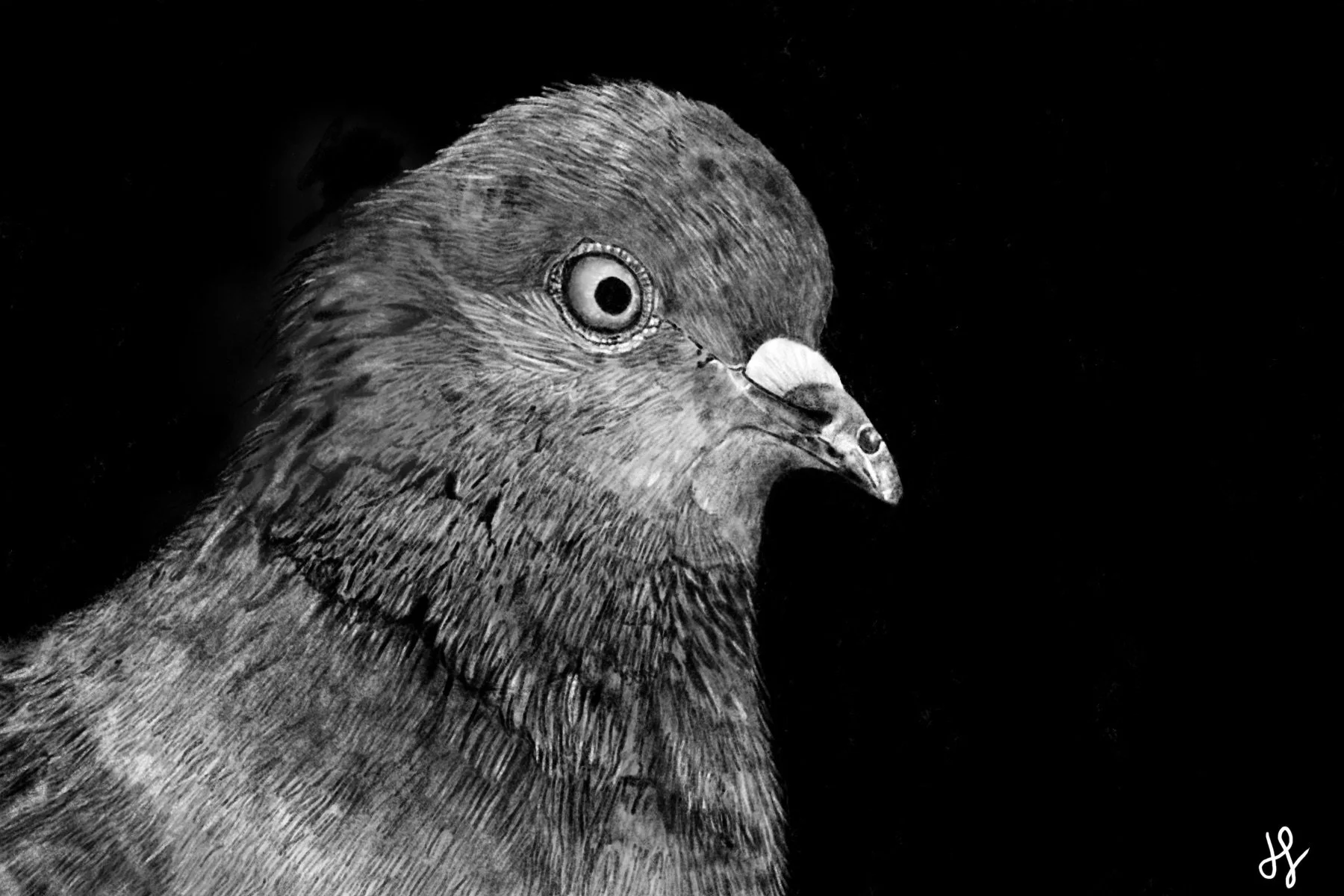
City Birds
Pigeons can tell a Monet from a Picasso. In a 1995 study in Japan, pigeons learned to sort paintings by the two artists, then correctly sorted paintings they had never seen before. They even put other Impressionist and Cubist painters in the right groups.
They’ve also saved lives. During World War II, Britain used about 250,000 homing pigeons, mostly to carry messages. The Dickin Medal, known as the animals’ Victoria Cross, was awarded 54 times between 1943 and 1949. Thirty-two of those medals went to pigeons, more than to any other animal in that period.
And they’re devoted parents. Pigeons are among the few birds that make milk, and unlike mammals, both parents produce it. Mom and dad both feed their chicks crop milk, which has more protein and fat than cow or human milk, for more than two weeks.
The pigeon on your sidewalk is the same species as those war heroes and those art critics. It’s worth a second look.
The Piece
Title: City Birds
Series: Birds of My Mind, No. 6 of 9
Medium: Digital charcoal
Year: 2024
Artist note: I have always been in love with the pigeon. My time with Liberty Wildlife allowed me to focus in more depth about their feather structure and how their eyes look in different light. One of my goals is to re-do this piece, but I think it is important to keep your originals around.
A Great Tail
More than 500 years ago, an Aztec emperor wanted these birds in his capital so badly that he had them brought in. Sometime between 1486 and 1502, Ahuitzotl ordered great-tailed grackles carried into the Valley of Mexico. Once released, they were fed and protected from people and predators. It’s the earliest documented case of people introducing a bird anywhere in the Western Hemisphere.
These days, people mostly try to shoo them off patio tables.
They haven’t needed help from anyone since. In 1900, their breeding range in the US barely reached past southern Texas. A century later, they were breeding in 19 states, one of the most impressive range expansions in North America in the 20th century. They’ve now been seen as far north as Vancouver.
So how do they keep winning? Researchers think a big part of it is flexibility, the ability to change behavior when the world around them changes. In studies of wild grackles, including a population in Tempe, Arizona, birds were trained to keep switching between options as the reward moved. They got faster at it, and those same birds became better problem solvers on a puzzle box with several ways to get food. A grackle’s flexibility isn’t fixed. It grows with practice.
The researchers hope what grackles know can help threatened species that are struggling with how much we’ve changed their habitat. That’s what I see when I look at one: a bird that figured out how to live in a world we keep rearranging.
The Piece
Title: A Great Tail
Series: Birds of My Mind, No. 4 of 9
Medium: Digital charcoal
Year: 2024
Artist note: Although this is one of my earlier pieces and clearly has a different pace in skill, it did allow me to understand more about what it is like working with darker feathers and was excellent practice as I focused on The Raven.